
For laboratory research and qualified researchers only.
TB-500 is widely used in tissue repair research due to its interaction with actin. This article provides an overview of current laboratory insights.
Mechanism of Action
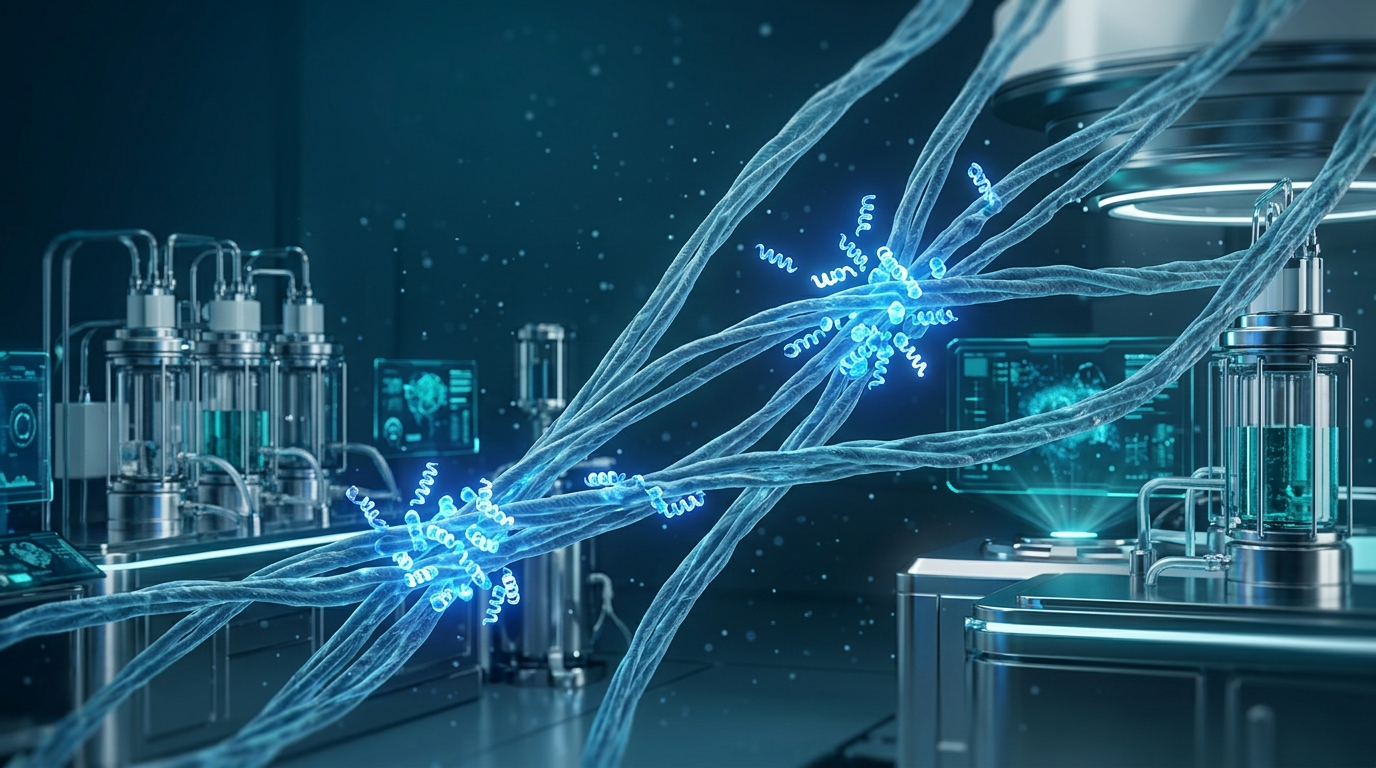
In controlled experiments, TB-500 binds to G-actin and influences the balance between polymerization and depolymerization. This mechanism is studied in various cell types involved in wound healing.
Combination with BPC-157
Many laboratories investigate the combined application of TB-500 and BPC-157. The peptides appear to target complementary pathways, resulting in enhanced repair markers in tendon and muscle explants.
Laboratory Protocols
Proper reconstitution and storage are essential to maintain TB-500 activity. Standard laboratory recommendations help achieve consistent experimental results.
For laboratory research only.
→ TB-500 Research Peptide → BPC-157 vs TB-500 Stack Research → Basic & Specialized Peptides
Author: Dr. Elena Voss, PhD Biochemistry, Senior Researcher, PenLab Peptide Research Division
Related research articles
Research products mentioned
Important Notice: This article is for informational and educational purposes only. All products mentioned are exclusively for scientific research and are not intended for human consumption or therapeutic use.