For laboratory and qualified research professional use only.
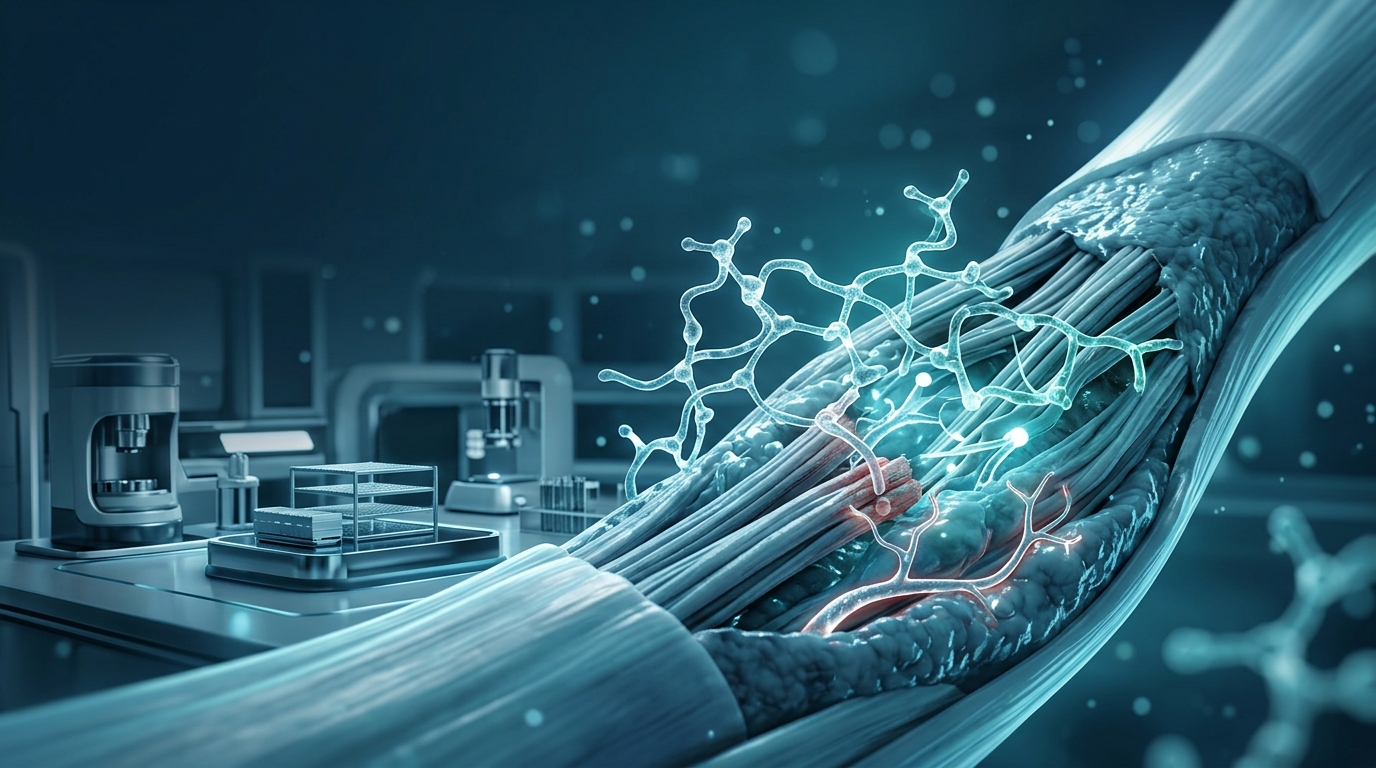
The combination of BPC-157 and TB-500 is frequently studied in tendon-repair models. This article reviews the dual-pathway mechanisms and practical laboratory protocols.
Complementary Mechanisms
BPC-157 primarily influences growth-factor signalling and collagen synthesis, while TB-500 modulates actin dynamics. Together they target distinct but complementary aspects of tissue repair.
In-Vitro Synergy Data
Laboratory studies using tendon explants and fibroblast cultures have documented enhanced repair markers when both peptides are applied together compared to single-peptide treatments.
Laboratory Application Notes
Researchers should follow standardised reconstitution and dosing protocols when working with the BPC-157 + TB-500 stack to ensure reproducible results across experiments.
For laboratory and qualified research professional use only.
→ BPC-157 Research-Grade Peptide → TB-500 Research-Grade Peptide → BPC-157 vs TB-500 Stack Research
Related research articles
Research products mentioned
Important Notice: This article is for informational and educational purposes only. All products mentioned are exclusively for scientific research and are not intended for human consumption or therapeutic use.